


Kathe Kollwitz Death And The Mother
Prof Kathe Kollwitz Die Zertretne an annotation presumably made before she was removed from her professorship at the Prussian Academy by the Nazis in 1933. Her mother Katherina Schmidt was the daughter of Julius Rupp a Lutheran pastor who was expelled from the official Evangelical State Church and founded an independent congregation.
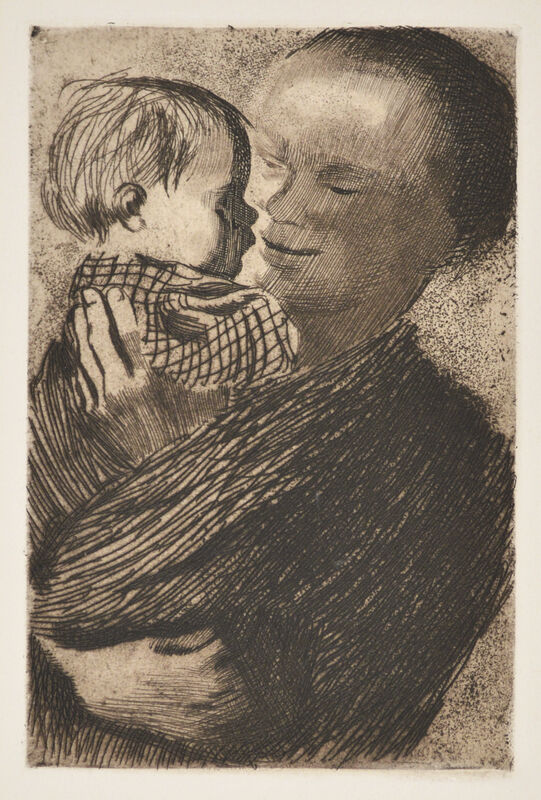
Kathe Kollwitz Mother Holding Child In Her Arms 1910 Artsy
Käthe Kollwitz Title Death Mother and Child Origin Germany Date 1910 Medium Black chalk and charcoal with stumping and erasing on brownish gray wove paper Dimensions 645 464 mm Credit Line.

Kathe kollwitz death and the mother. Kupferstichkabinett Staatliche Museen zu Berlin Berlin. 3604 x 30 cm image 25. Killed in Action Gefallen Grieving Family Original Lithograph 1920-1929.
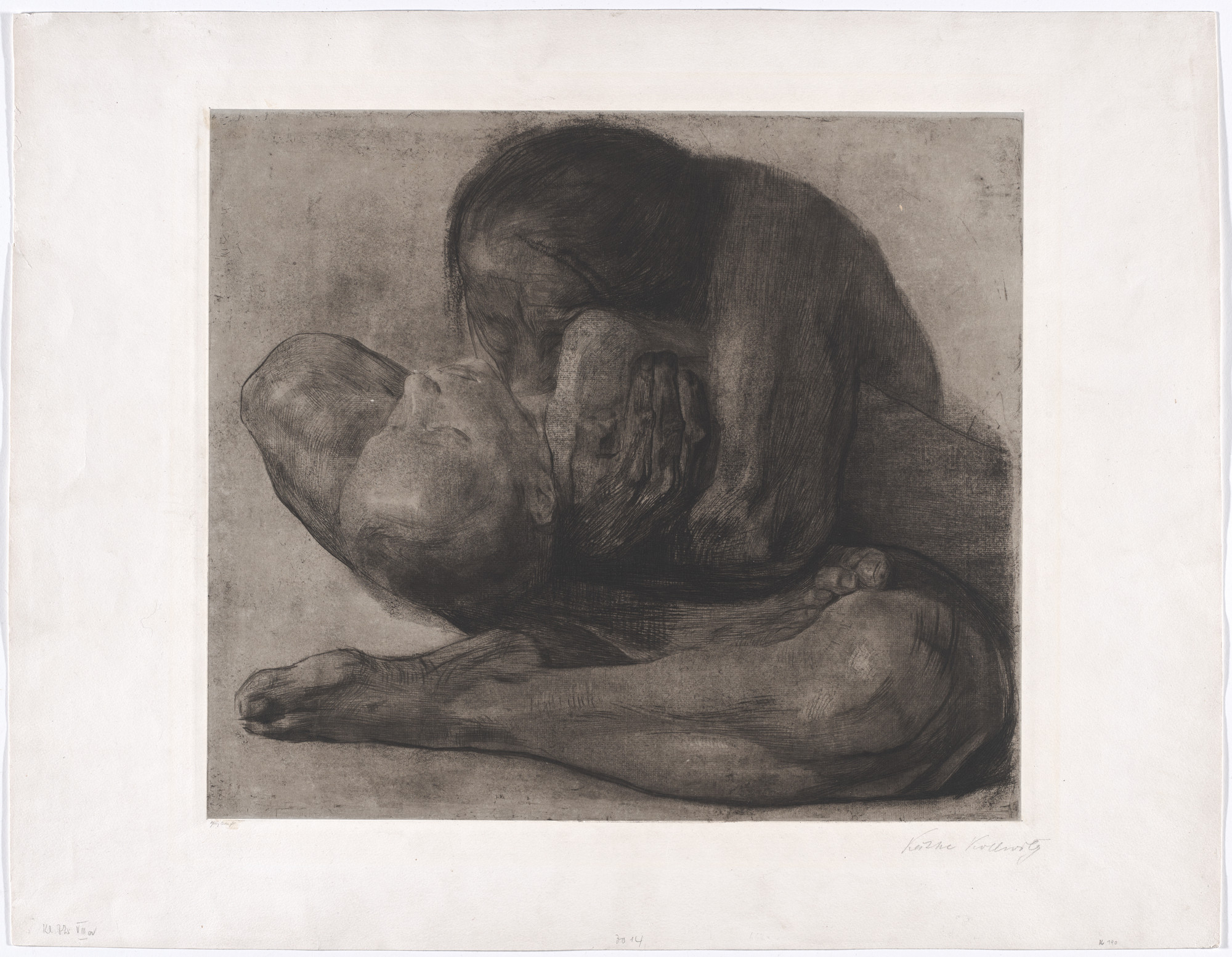
Essay This essay has been submitted by a student. Kollwitz used herself and her seven-year-old son as the models for this image a variation on the Christian pietà in which the Virgin Mary is depicted cradling the dead Christs body. Kollwitz began with drawings and sculptural models of a mother with her deceased child but then later decided to focus on depictions of the grieving parents.
The etching shows a cross legged naked women whom we can assume is the mother holding her dead child in her arms. Kathe Kollwitzs Death and the Mother Painting. In 1903 Kollwitz captured the primal feelings of grief and loss in her powerful image Woman with Dead Child.
After she made this decision she refused to let her husband Karl see her preparatory work. Prints and Drawings Plate 7 Size. Because of the shades of meaning and the hidden suffering which her pictures are shot through with every single painting of hers speaks it sown ideas and it speaks loudly.
Käthe Kollwitz née Schmidt German pronunciation. The sculpture is from Hebrard Foundry and cire perdue wax destroyed in French. A mother animal-like naked the light-colored corpse of her dead child between her thigh bones and arms seeks with her eyes with her lips with her breath to swallow back into herself the disappearing.
Death was one of the most persistent themes in Käthe Kollwitzs work. The People Käthe Kollwitz 1922 published 1923 Minneapolis Institute of Art. This is not an example of the work written by our professional essay writers.
The sheet is annotated in pencil. The sculpture is from Hebrard Foundry and cire perdue wax destroyed in French. The women in The Widow I and The Mothers are overcome by mourning and it is only in the final print The People that a suggestion of communal strength is turned out to face the world.
Shows Exhibitions Why Käthe Kollwitz an Icon of German Modern Art Is Still So Controversial on Her 150th Anniversary. The mother in the painting represents all the women who have lost their family members because of war. The image itself is rich sharp clear and altogether as wonderful as the tragic scenea father and mother mourning their dead daughterallows.
Käthe Kollwitz German 1867-1945. In the 1890s Kollwitz made a series of lithographs exploring social subjects. Spectacular bronze sculpture by Kathe Kollwitz of Mother with Dead Son.
Kɛːtə kɔlvɪts 8 July 1867 22 April 1945 was a German artist who worked with painting printmaking including etching lithography and woodcuts and sculpture. She has chosen the technique and colours well because the colours set the mood and tone well because of their dullness and lifelessness. Käthe Kollwitz Letters to her Son.
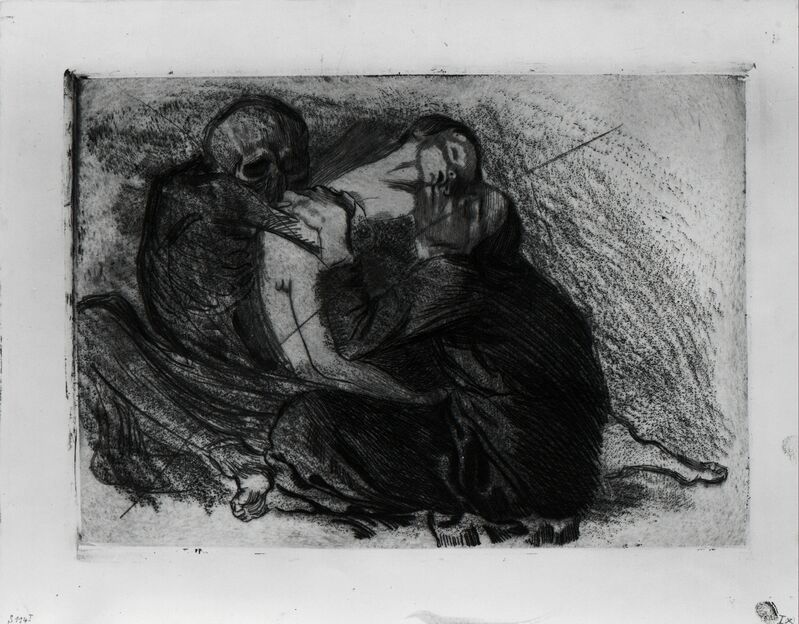
Death Snatches a Child from its Mother 1911. Käthe Kollwitz also addressed the fundamental experience of being a mother which includes the fear of losing her children or leaving them behind after her own death. Her most famous art cycles including The Weavers and The Peasant War depict the effects of poverty hunger and war on the working class.
Kollwitzs memorial materialized both the collectivity and isolation of parental mourning. It continued to exert an inexorable pull on the artist near the end of her life and served as the subject of this her final print cycle. Works Käthe Kollwitz Childs Head en face Hans Kollwitz 1893 brush and grey ink washed NT 72.
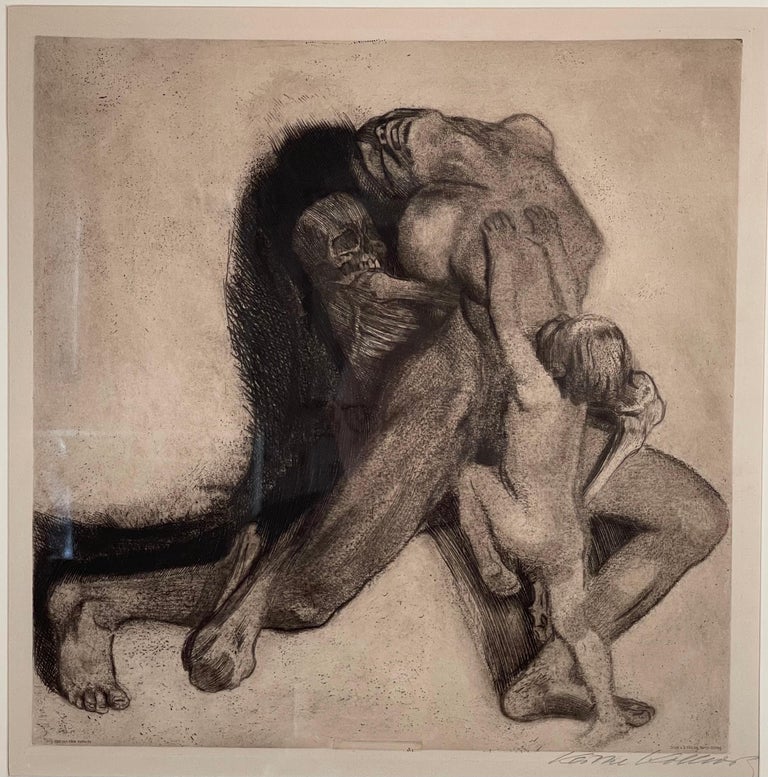
But the raw almost animalistic anguish on the mothers face and the abject posture of her naked body depart from the beatific serenity of that tradition and anticipate instead the anxious distortions of German Expressionism. Käthe Kollwitz Death Seizes a Woman Tod packt eine Frau from the series Death Tod 1934. Kathe Kollwitz wanted the world to notice how miserable the women felt after their men left to go to war.
Women With Dead Child made in 1903 by Käthe Kollwitz is just one of many in the series of Pieta which are pictures and sculptures of the virgin Mary holding a dead Christ. Death Mother and Child Date. Her work deemed too empathic is.
Despite its title The Widow II reinvents the Christian Pietà the imagery of the dead Christ resting on his mother. In Kollwitzs image the woman herself appears as if dead. One of her most well-known paintings Death and the Mother implies a.
Children poverty death and protest against injustice. Kathe Kollwitz has portrayed her image of the mother and dead child using distressed grey broken-hearted black and ugly white to generate an effect of grief sorrow depression and misery. Written by Goodrich Intern Kristen Pignuolo.
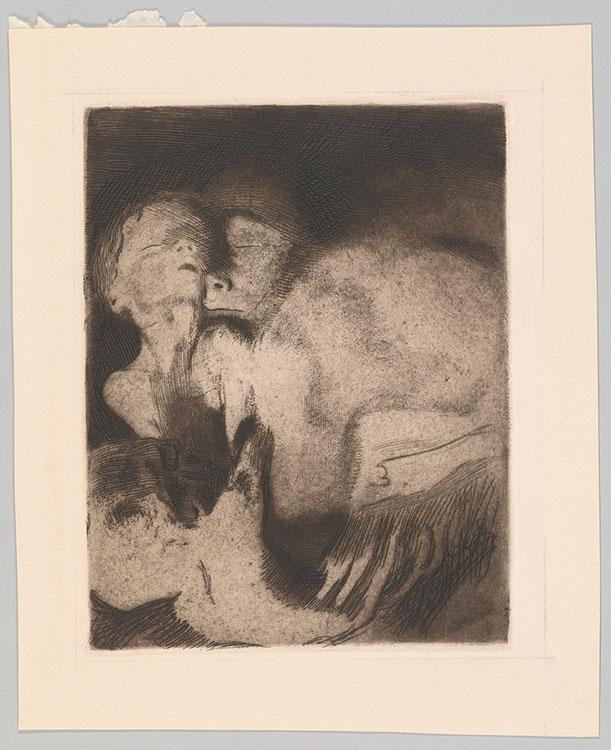
Unlike in later etchings on this theme in which Death is more clearly shown wrestling with the mother for her child Kn 119 Kn 121 in this work mother and child resting cheek to cheek appear almost lost in reverie. Kathe Kollwitz the creator of both pieces used her own heart-breaking experience to express the grief and mourning of a mother who has lost her child. Käthe Kollwitzs Tod Frau und Kind Death Woman and Child 1910 is an arresting and disturbing image of a mother cradling her child with death represented by the partial image of a human skull lurking in the upper left-hand corner.
In yesterdays post I quoted German artist Käthe Kollwitz 1867-1945. Kollwitz was born in Königsberg Prussia as the fifth child in her familyHer father Karl Schmidt was a radical Social democrat who became a mason and house builder. As a bit of relief from the overall grief Kollwitz drew the lines of the womans hair tenderly and delicately rendered the boys featuresBeate Bonus-Jeep Kollwitzs close friend described this etching memorably.
14 316 x 11 1316 in. Life and work Youth. Today I want to introduce you to her work.
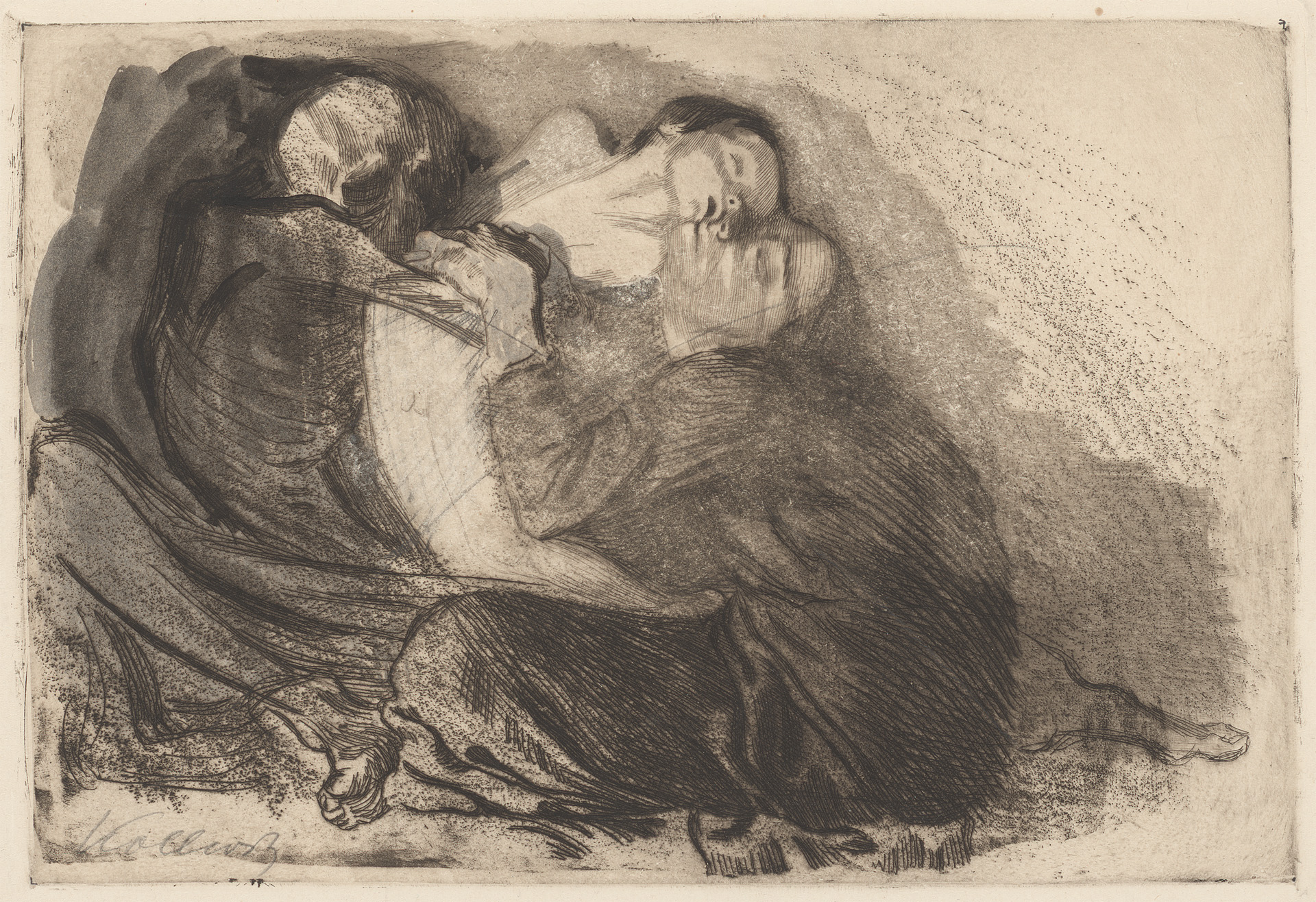
Death Woman And Child Kn 108 Kathe Kollwitz Museum Koln
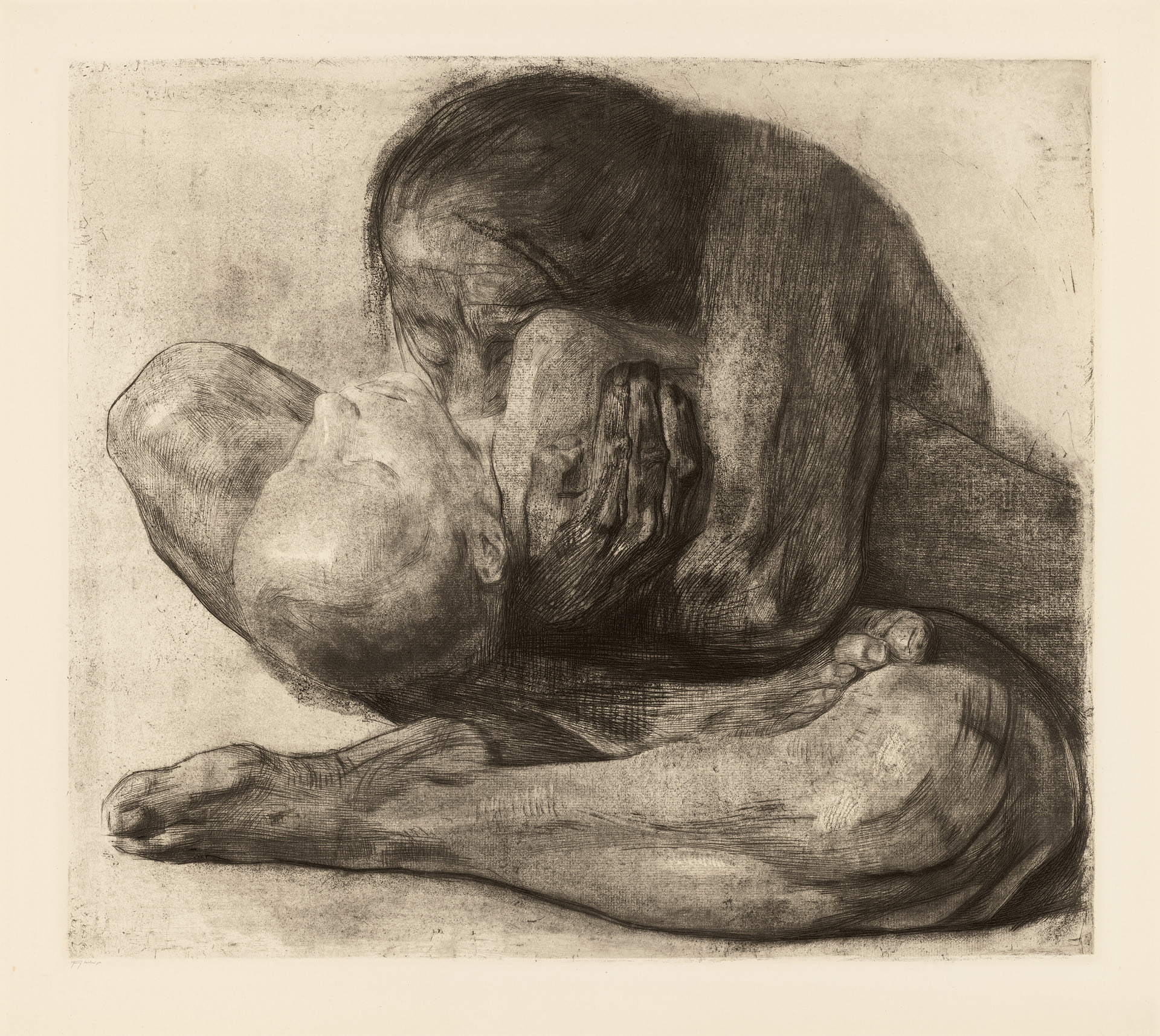
Woman With Dead Child Kn 81 Kathe Kollwitz Museum Koln
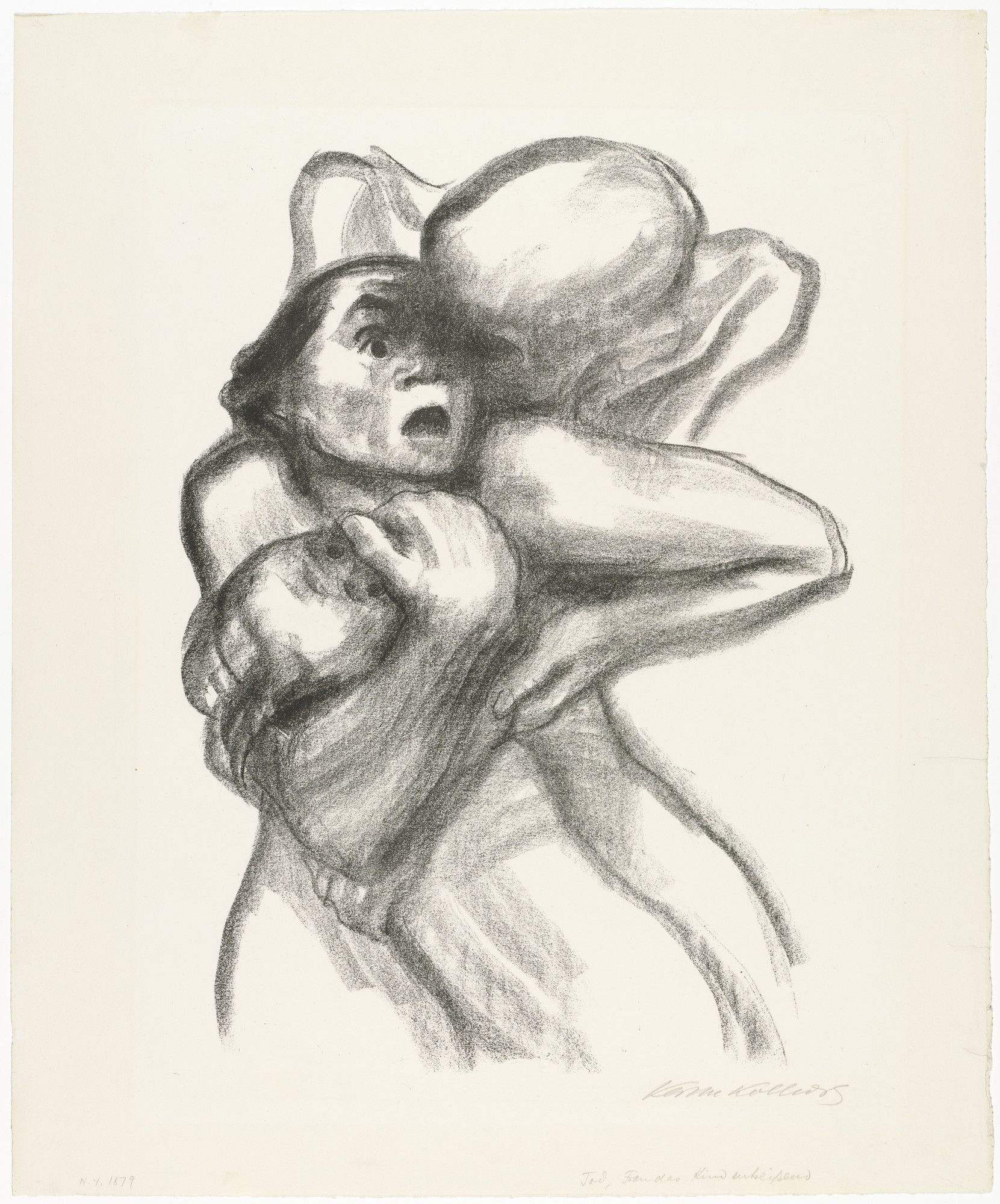
Kathe Kollwitz Death Seizes A Woman Tod Packt Eine Frau From The Series Death Tod 1934 Moma

Kathe Kollwitz Lithograph Death And The Mother 1934 German 1723505077
Original 1910 Kathe Kollwitz Death Woman And Child Rare Etching German 1797621071
Kathe Kollwitz Woman With Dead Child Frau Mit Totem Kind 1903 Moma
Death And Mother Struggling Over The Child Kathe Kollwitz Modern And Contemporary Drawings The Morgan Library Museum

Kathe Kollwitz Galeria De Arte Arte Arte Pintura
Kathe Kollwitz Death Snatches A Child From Its Mother 1911 Artsy
/https://www.thestar.com/content/dam/thestar/entertainment/visualarts/2018/04/21/german-artist-kathe-kollwitz-faces-death-again-and-again-at-the-art-gallery-of-ontario/d_kollwicz_death_and_woman.jpg)
German Artist Kathe Kollwitz Faces Death Again And Again At The Art Gallery Of Ontario The Star
Kathe Kollwitz Tod Und Frau Death And Woman For Sale At 1stdibs
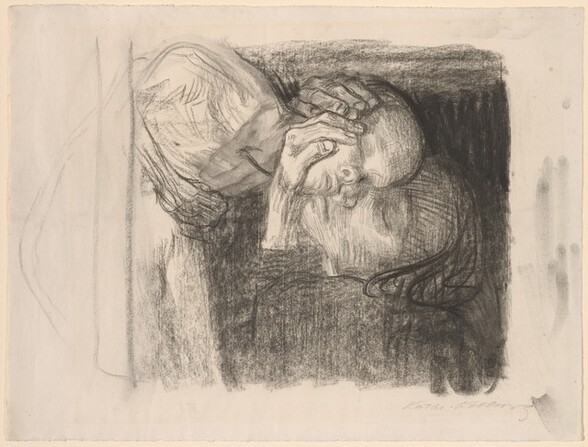
Death Mother And Child
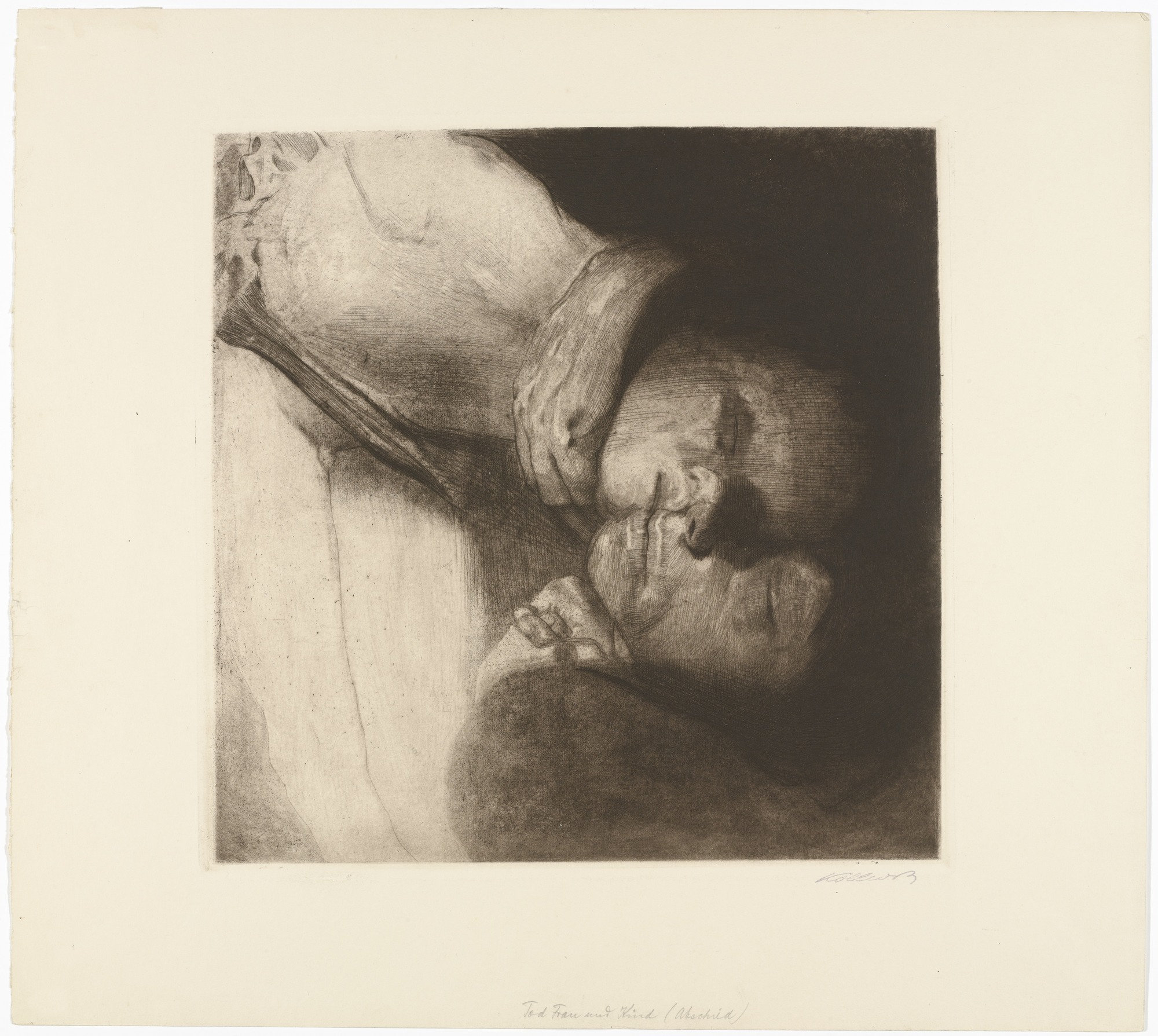
Moma The Collection Kathe Kollwitz Death Woman And Child Tod Frau Und Kind 1910 Printed C 1931 Or After
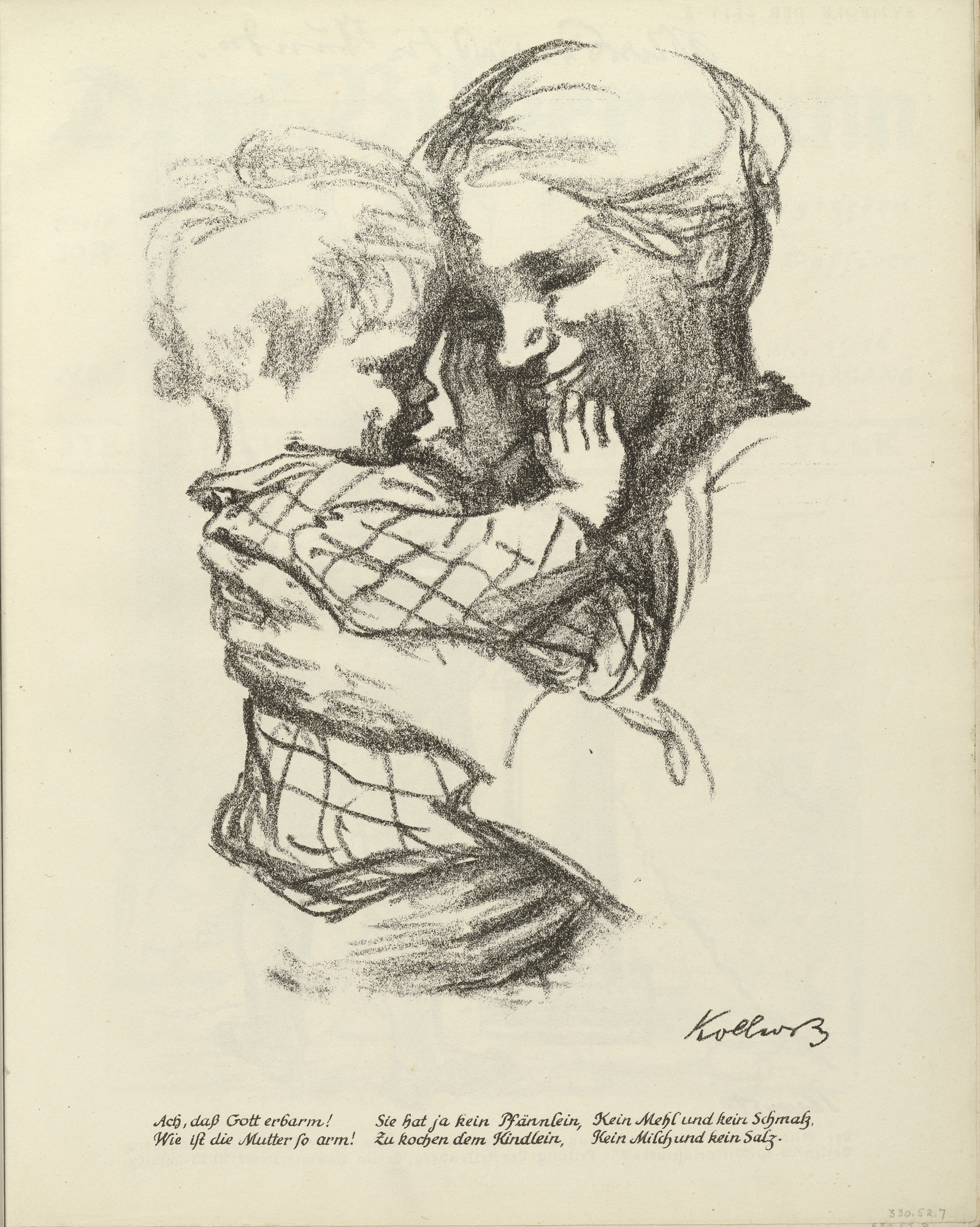
Kathe Kollwitz Mother With A Child In Her Arms Mutter Mit Kind Auf Dem Arm Plate Folio 5 From The Periodicial Der Bildermann Vol 1 No 2 Apr 1916 1916 Moma
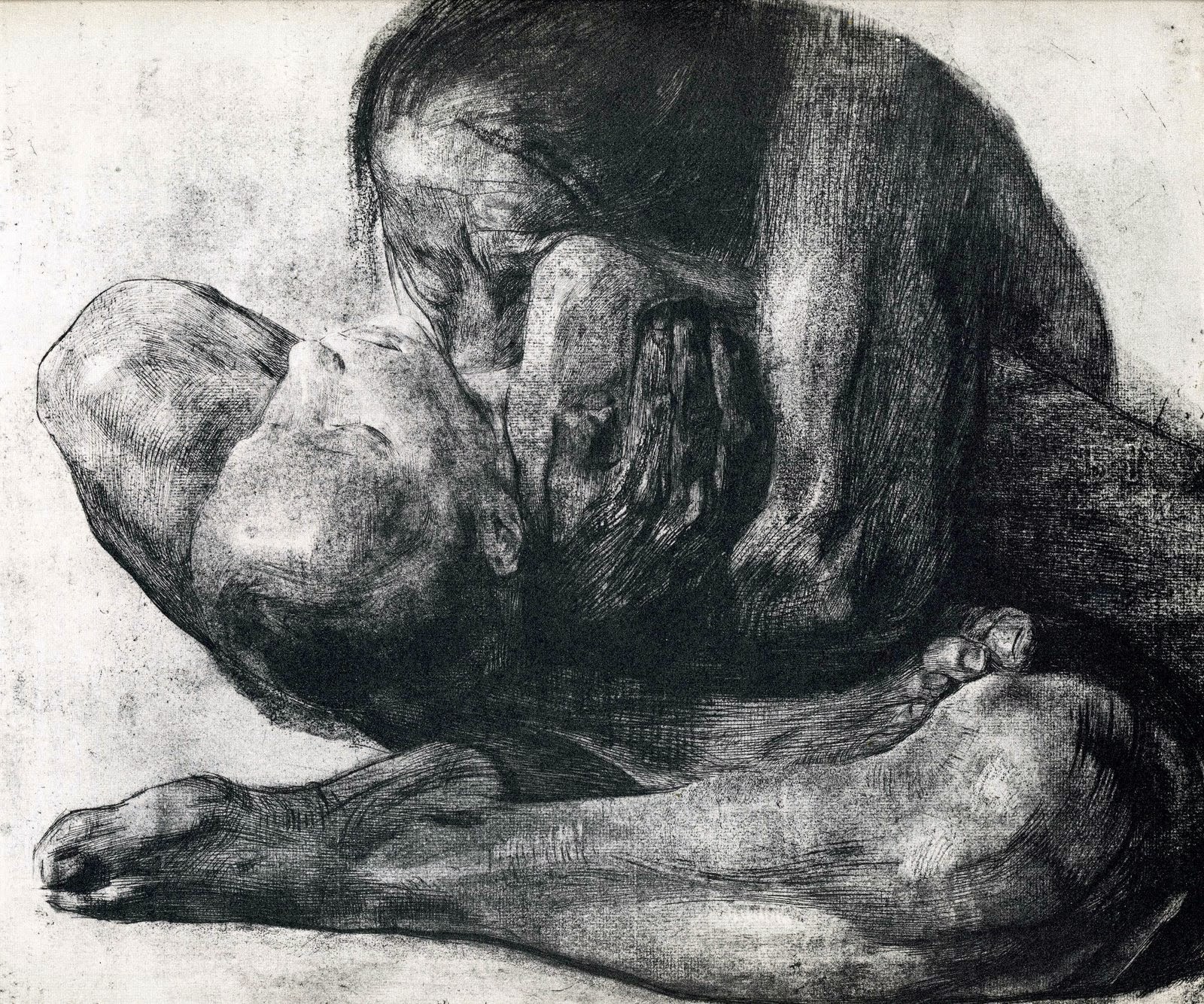
Kathe Kollwitz Mother And Dead Child Sevenponds Blogsevenponds Blog
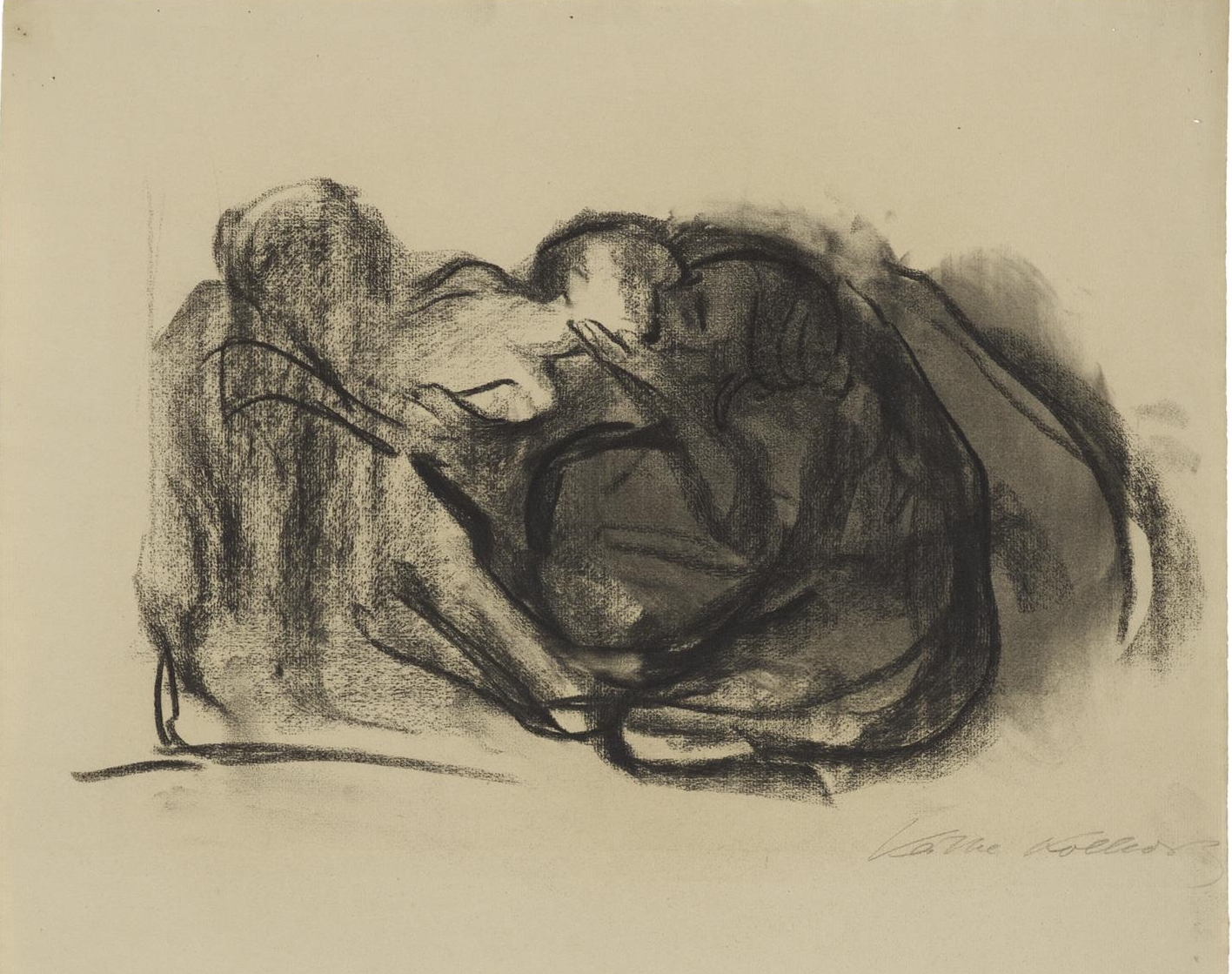
Death Woman And Child Kn 108 Kathe Kollwitz Museum Koln
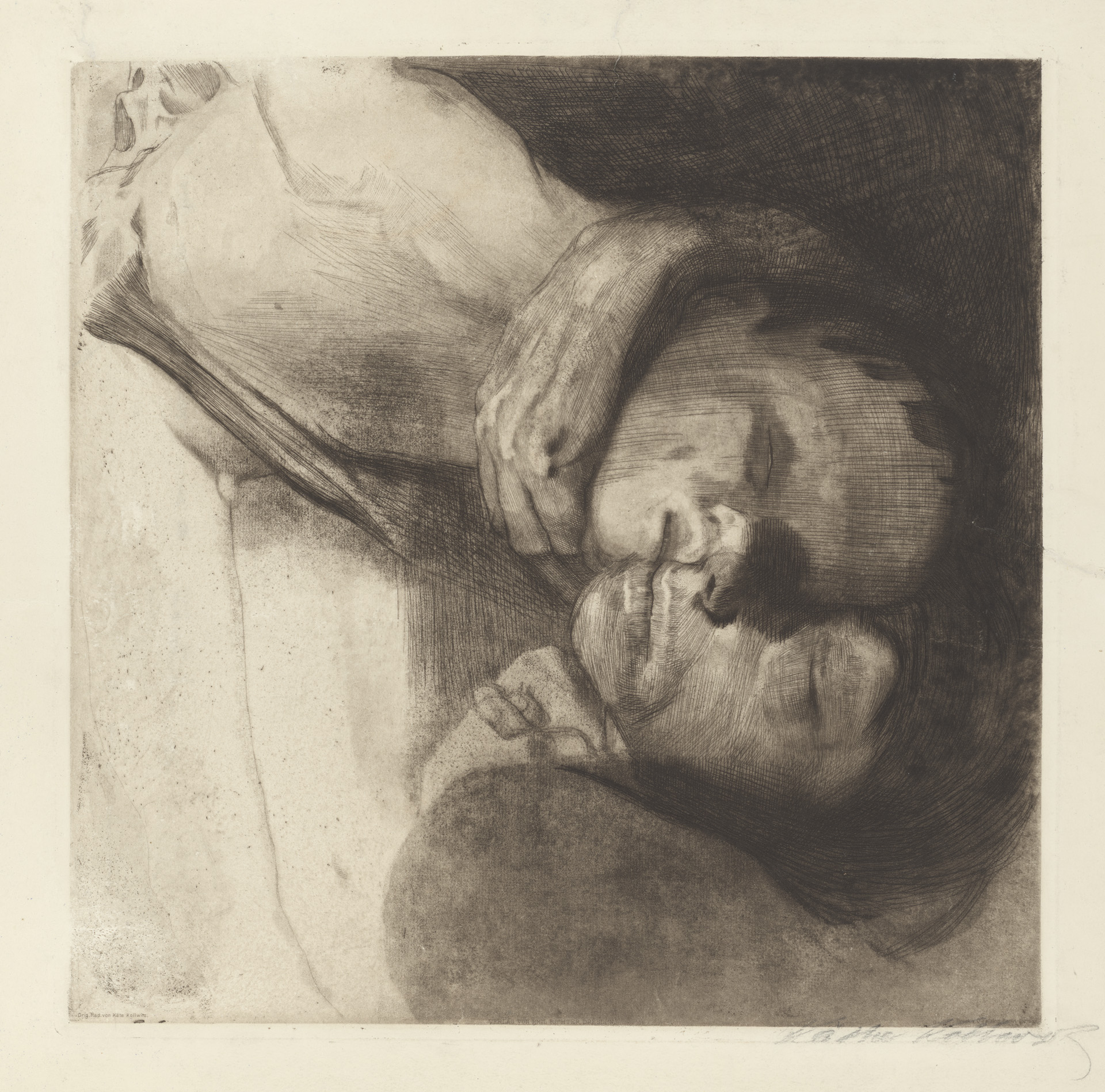
Death Woman And Child Kn 108 Kathe Kollwitz Museum Koln
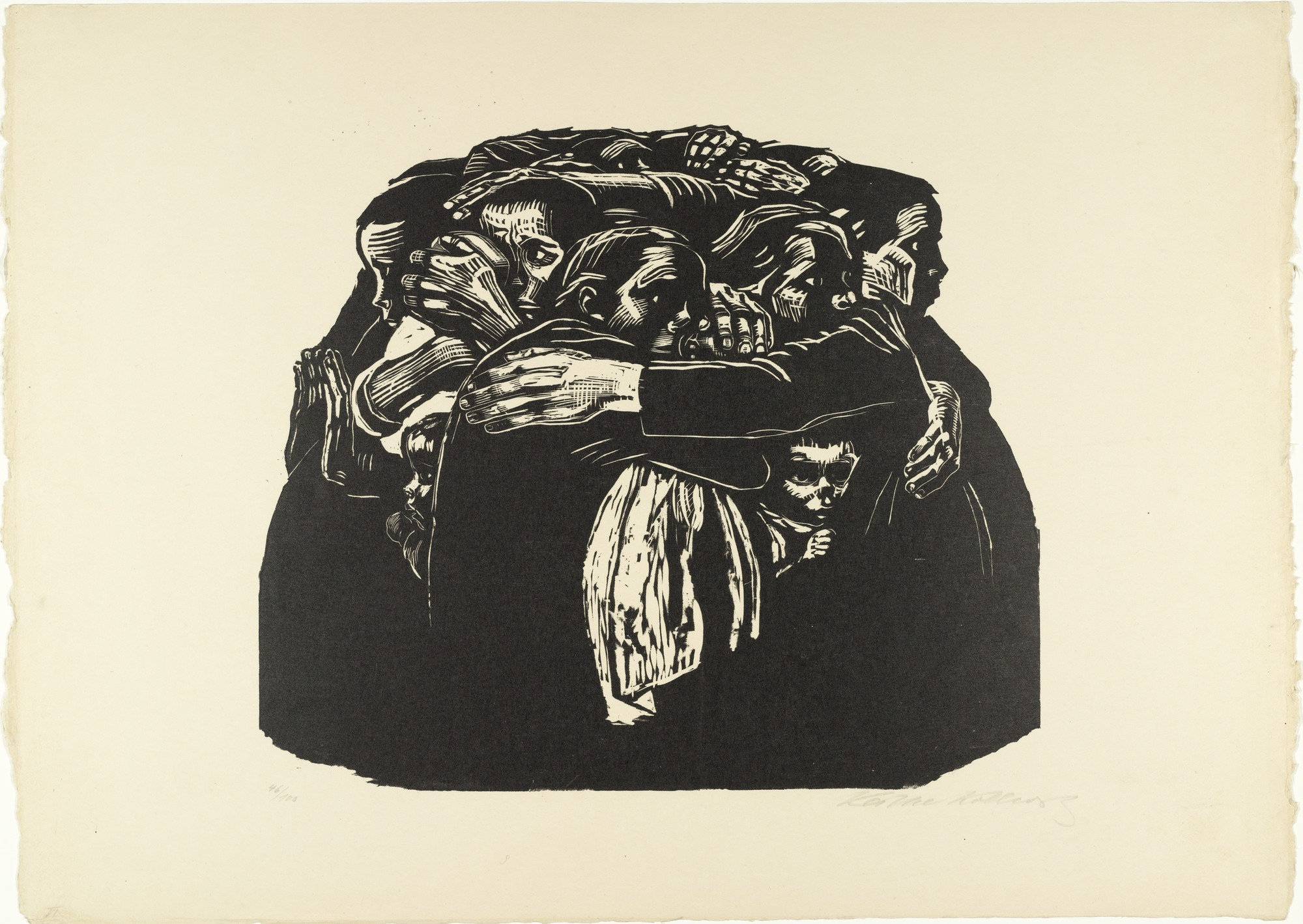
Moma The Collection Kathe Kollwitz The Mothers Die Mutter Plate 6 From War Krieg 1921 22 Published 1923
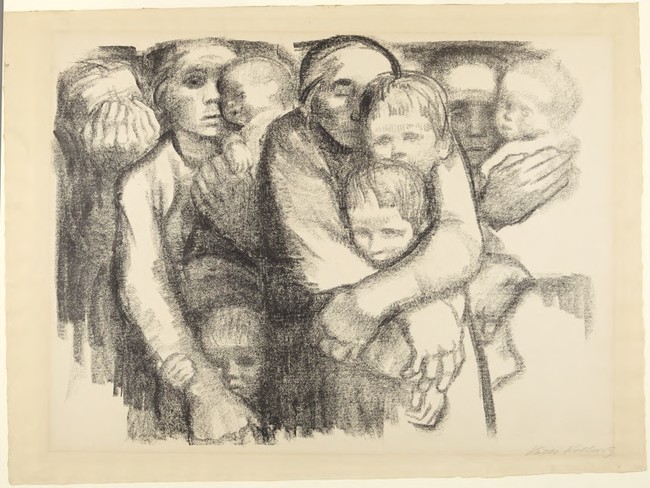
Mothers Mutter X1984 13

Posting Komentar untuk "Kathe Kollwitz Death And The Mother"